The Stranded Asset in Your Driveway
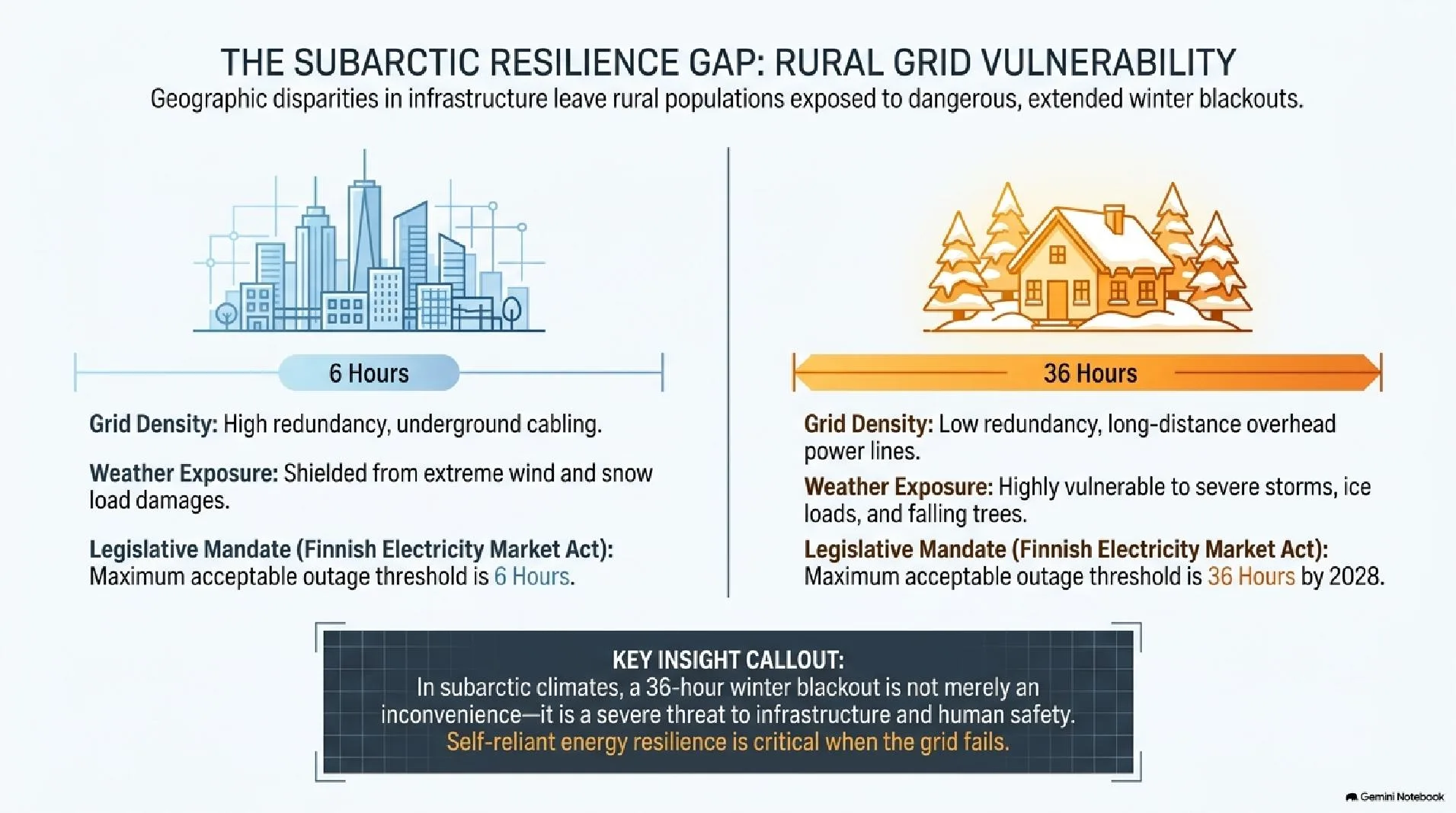
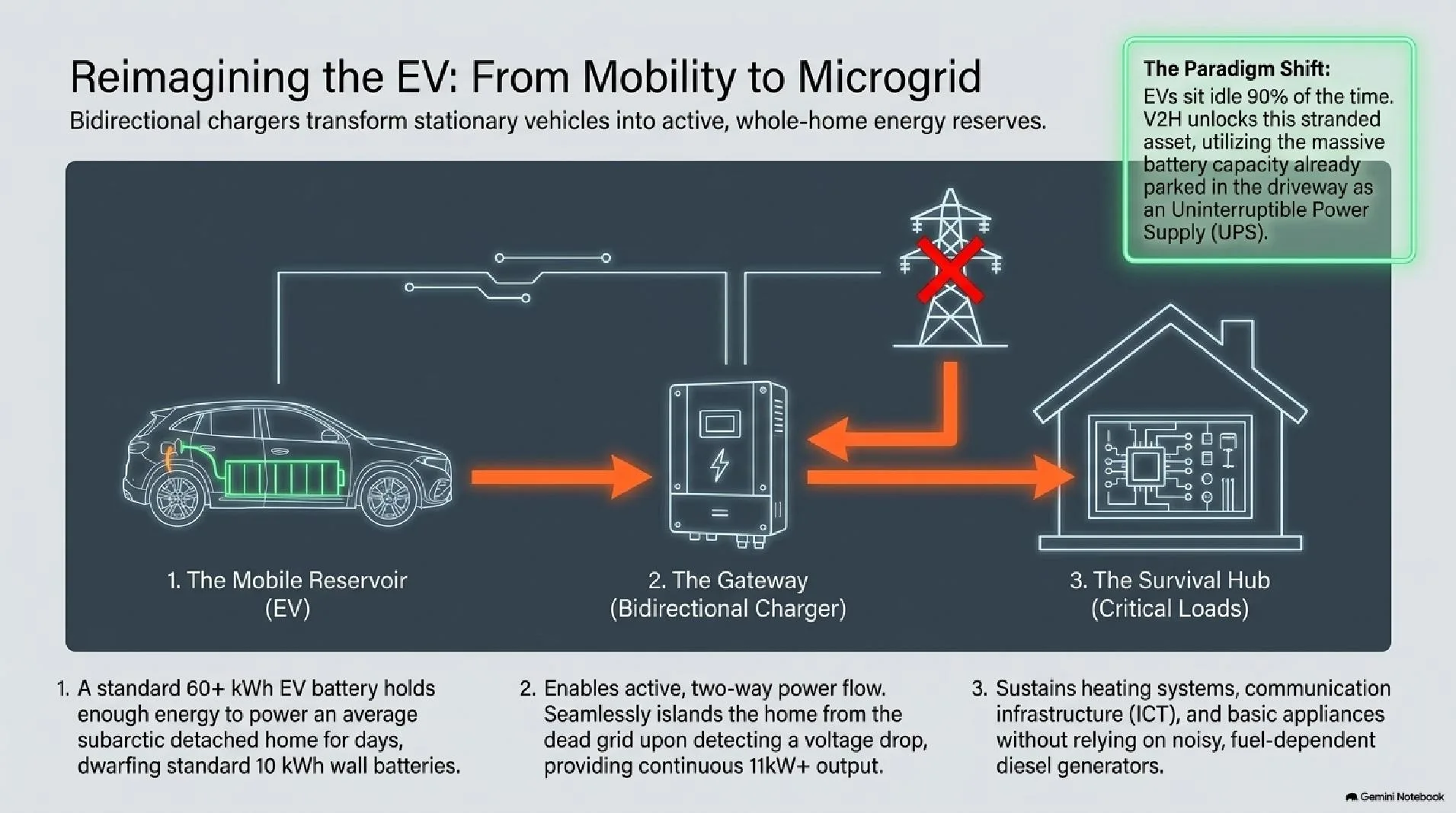
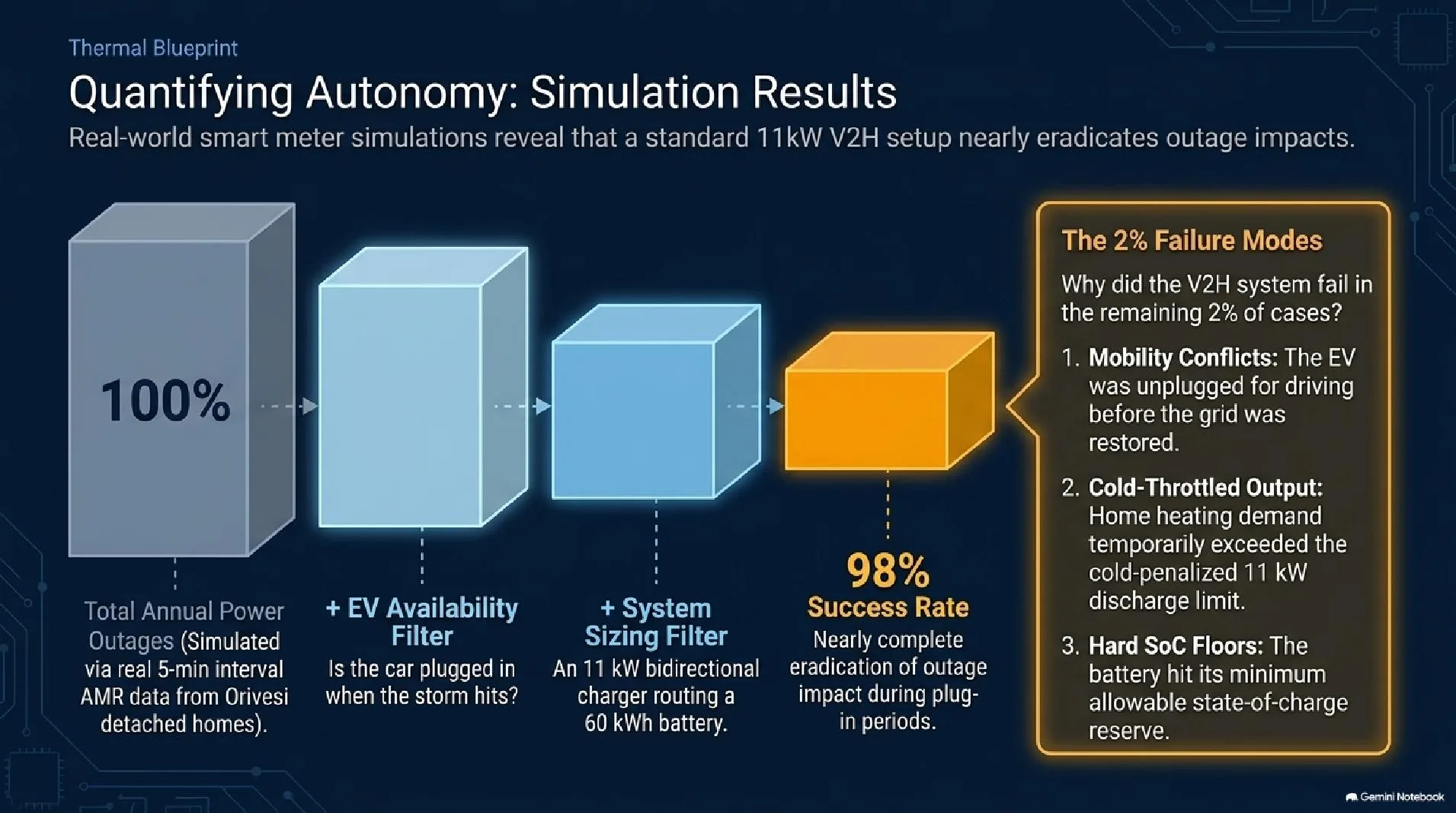
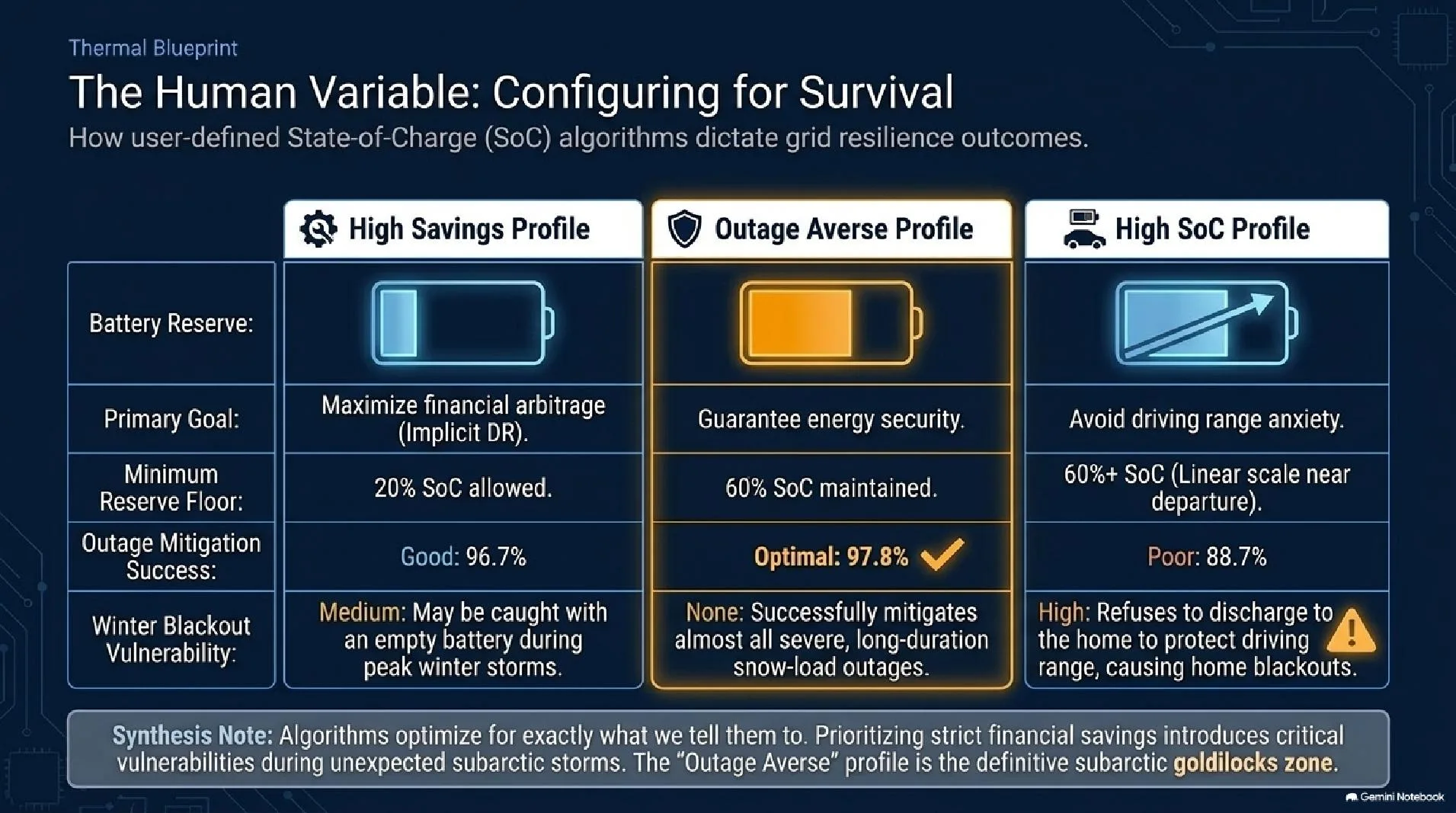
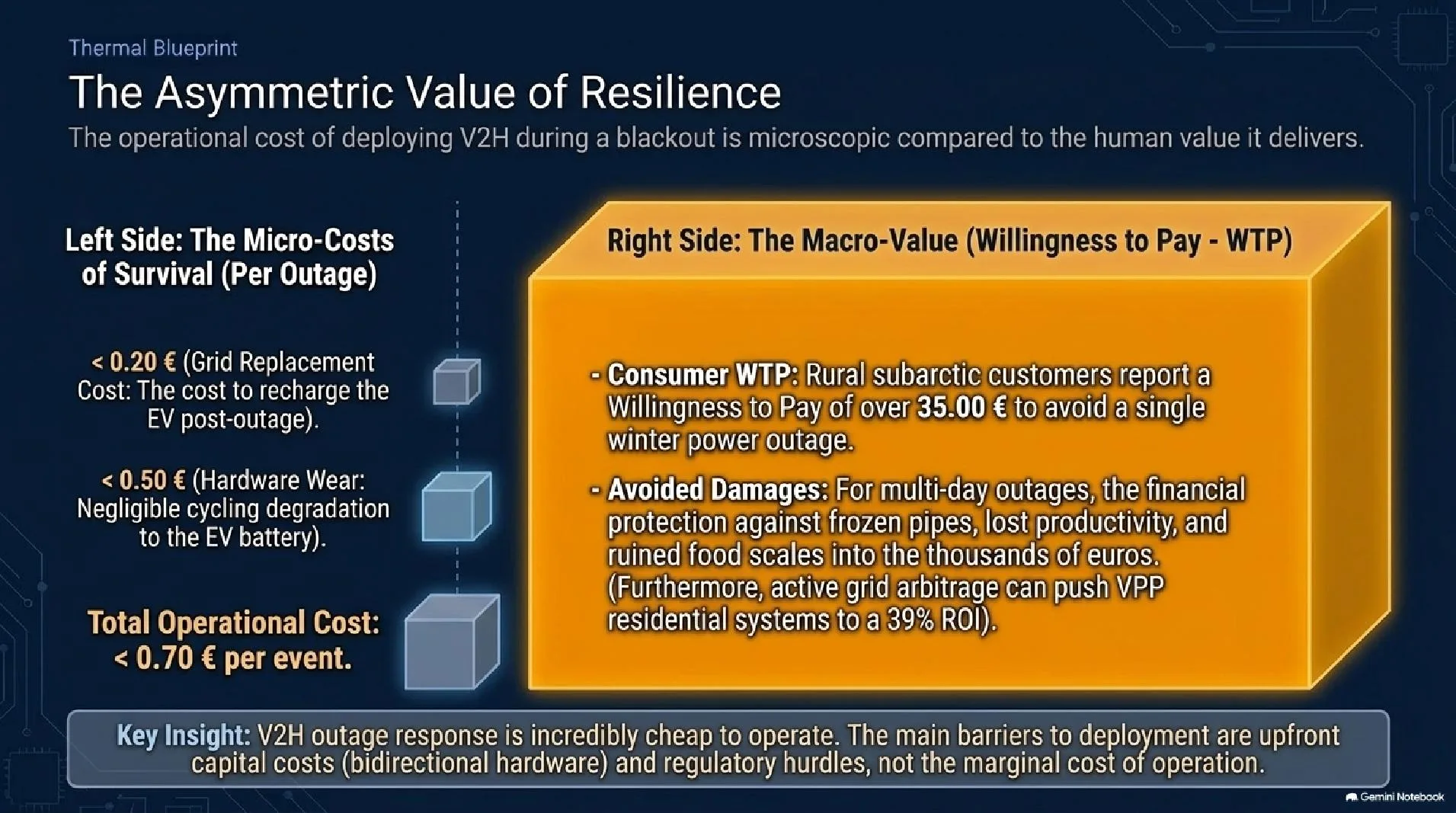
The average EV battery holds far more energy than a whole-home backup system — and it sits idle in the driveway most of the time. Vehicle-to-home (V2H) technology unlocks that stranded asset: a bidirectional charger turns your car into the family's emergency power plant. Real-world smart-meter simulations show that a standard 11kW V2H setup nearly eradicates outage impacts, keeping heat, lights, and medical equipment running through extended blackouts. If you are here looking into standby generator installation, the sections below walk through the process from the first quote to the finished job.
The Cold-Climate Penalty
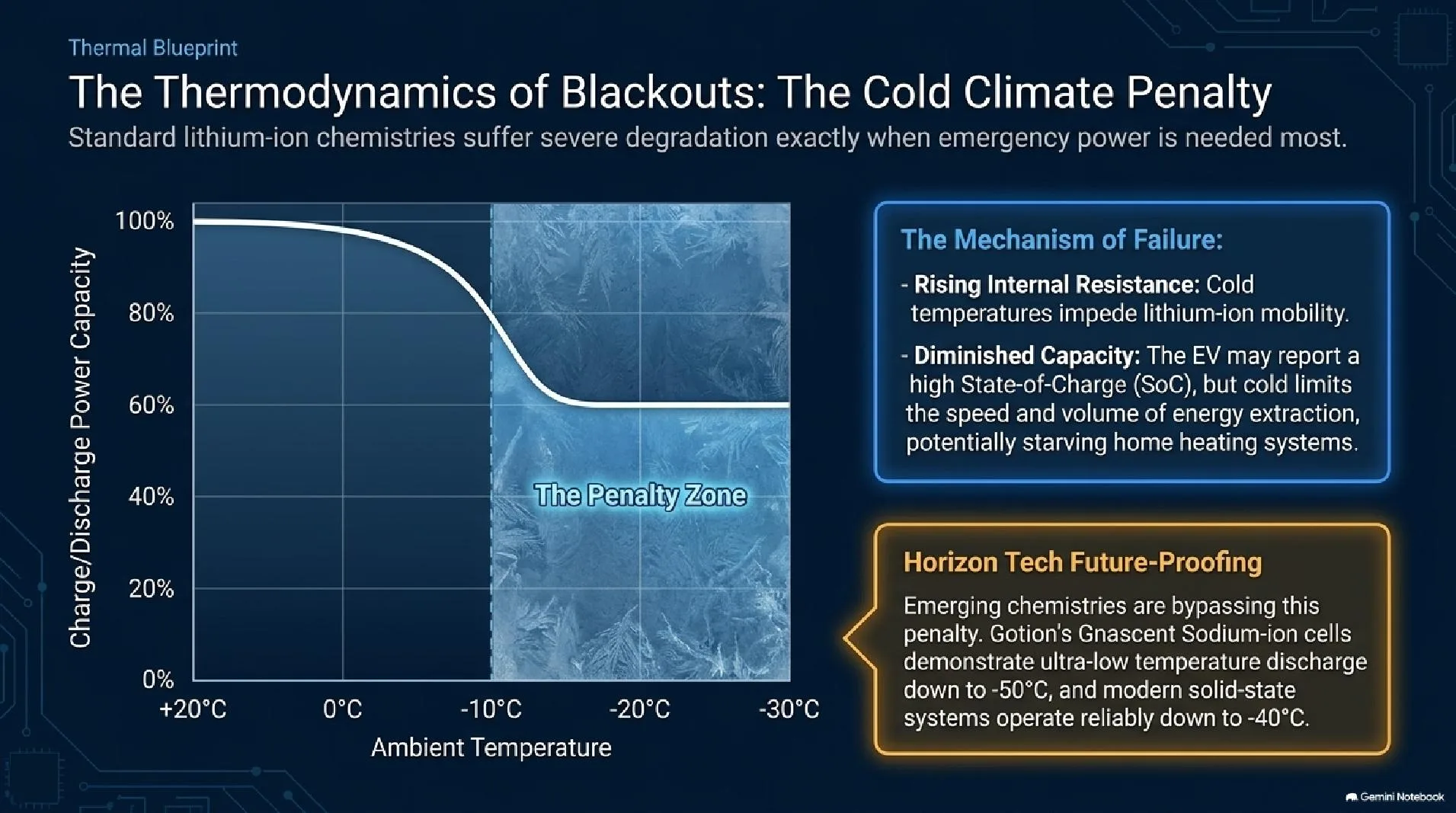
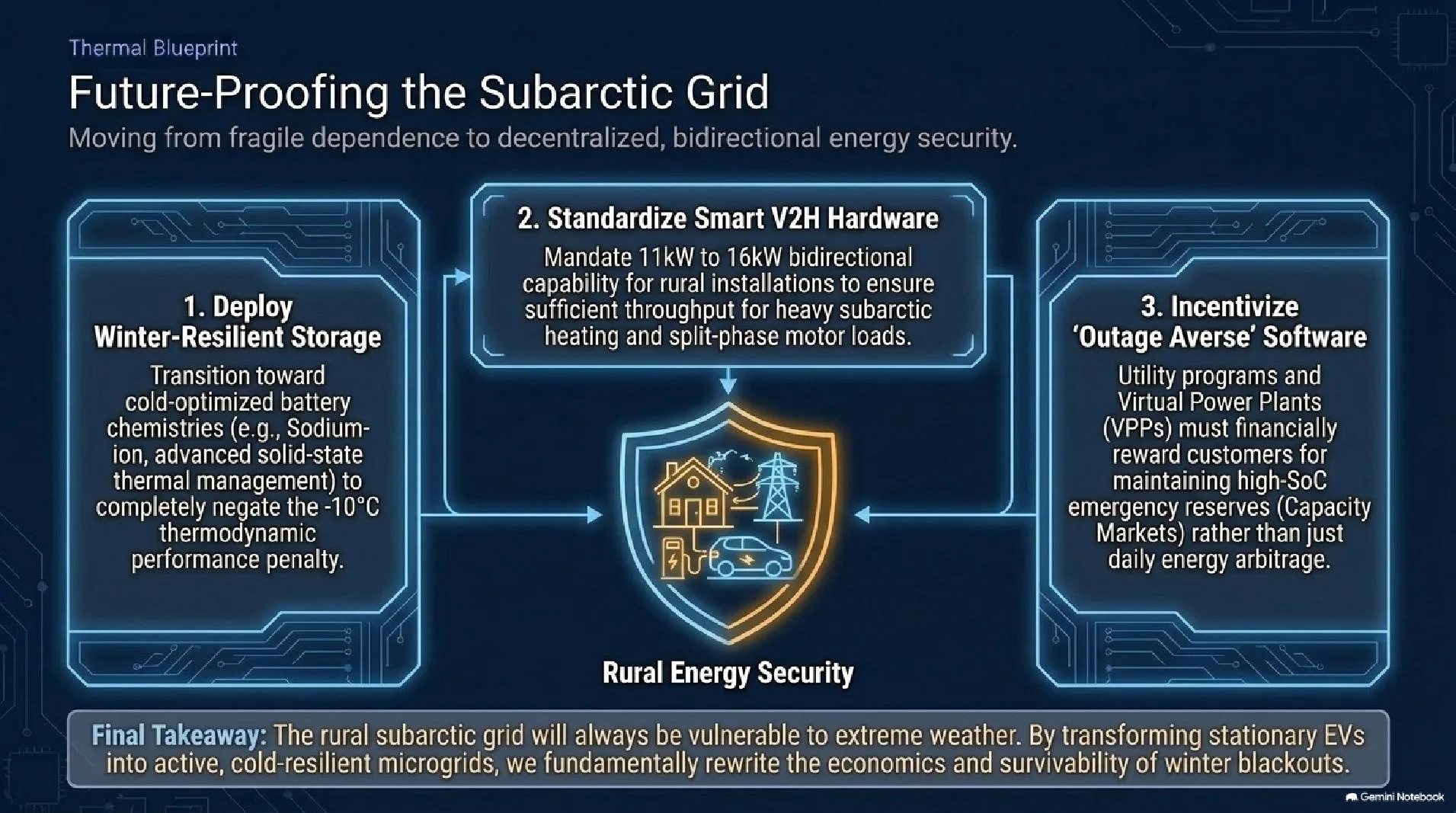
There is a catch worth knowing: standard lithium-ion chemistries degrade in cold weather exactly when emergency power matters most. That is why subarctic-focused designs mandate 11-to-16kW bidirectional hardware and thermal management that keeps the battery warm and the power flowing at -30°F. If you live in a serious winter climate, a V2H-ready charger with cold-weather-rated hardware is the difference between backup that works and backup that dies with the temperature.
The short version
- Vehicle-to-home technology turns an EV into household backup power through a bidirectional charger, unlocking a battery that otherwise sits idle in the driveway.
- Smart-meter simulations show a standard 11kW V2H setup nearly eradicates outage impacts, keeping heat, lights and medical equipment running through extended blackouts.
- The catch is cold weather, where standard lithium-ion chemistries degrade exactly when emergency power matters most.
- Subarctic-focused designs therefore mandate 11-to-16kW bidirectional hardware with thermal management that keeps the battery warm and delivering power at minus 30 degrees Fahrenheit.
- Bidirectional chargers are now mainstream equipment, so the page frames V2H as converting an asset the family already owns into round-the-clock resilience.
For Baton Rouge families who lose power to nor'easters and ice storms, V2H turns an asset you already own into round-the-clock resilience — and the bidirectional chargers that make it possible are now mainstream equipment.