Beyond the 4-Hour Battery
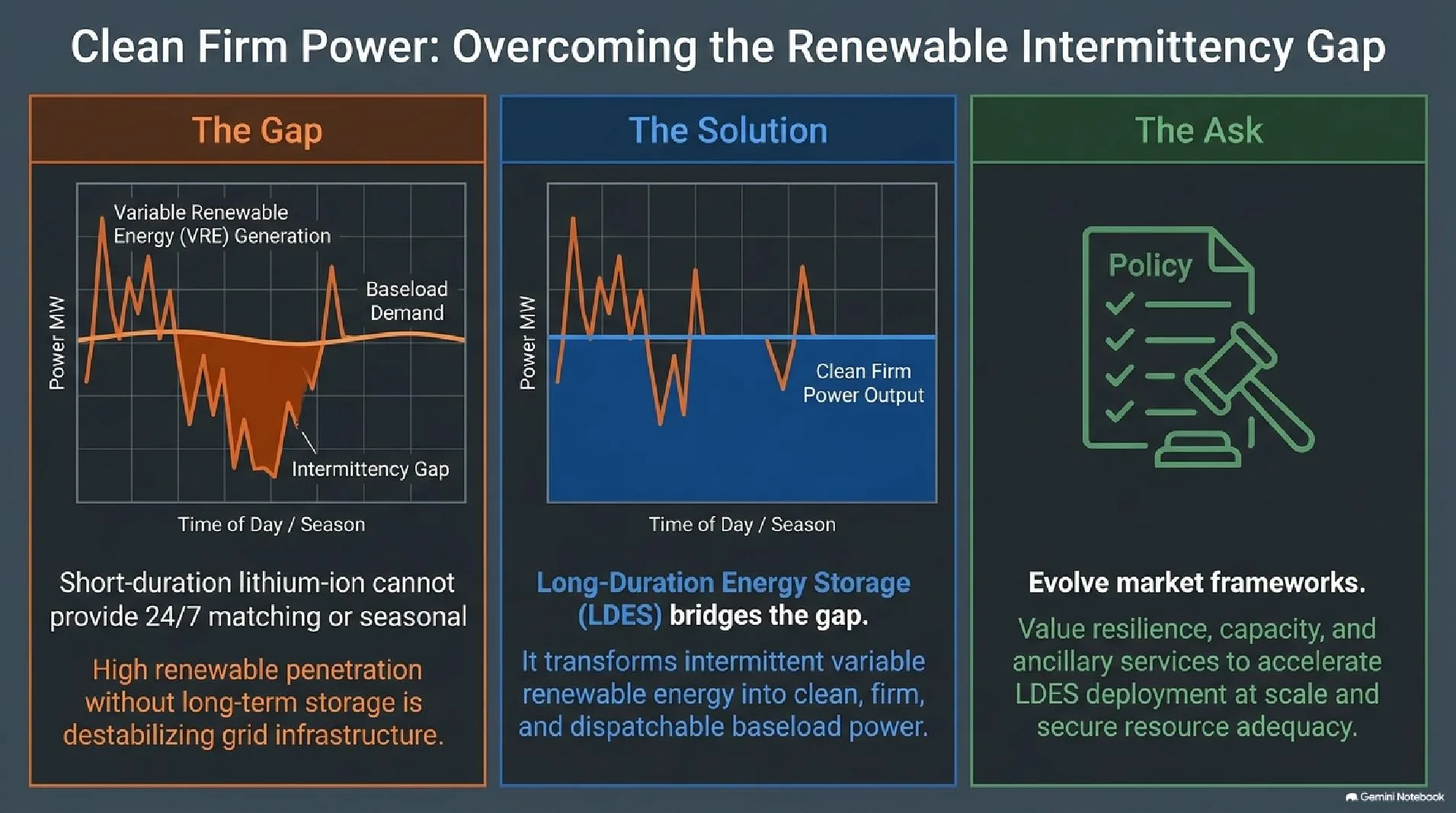
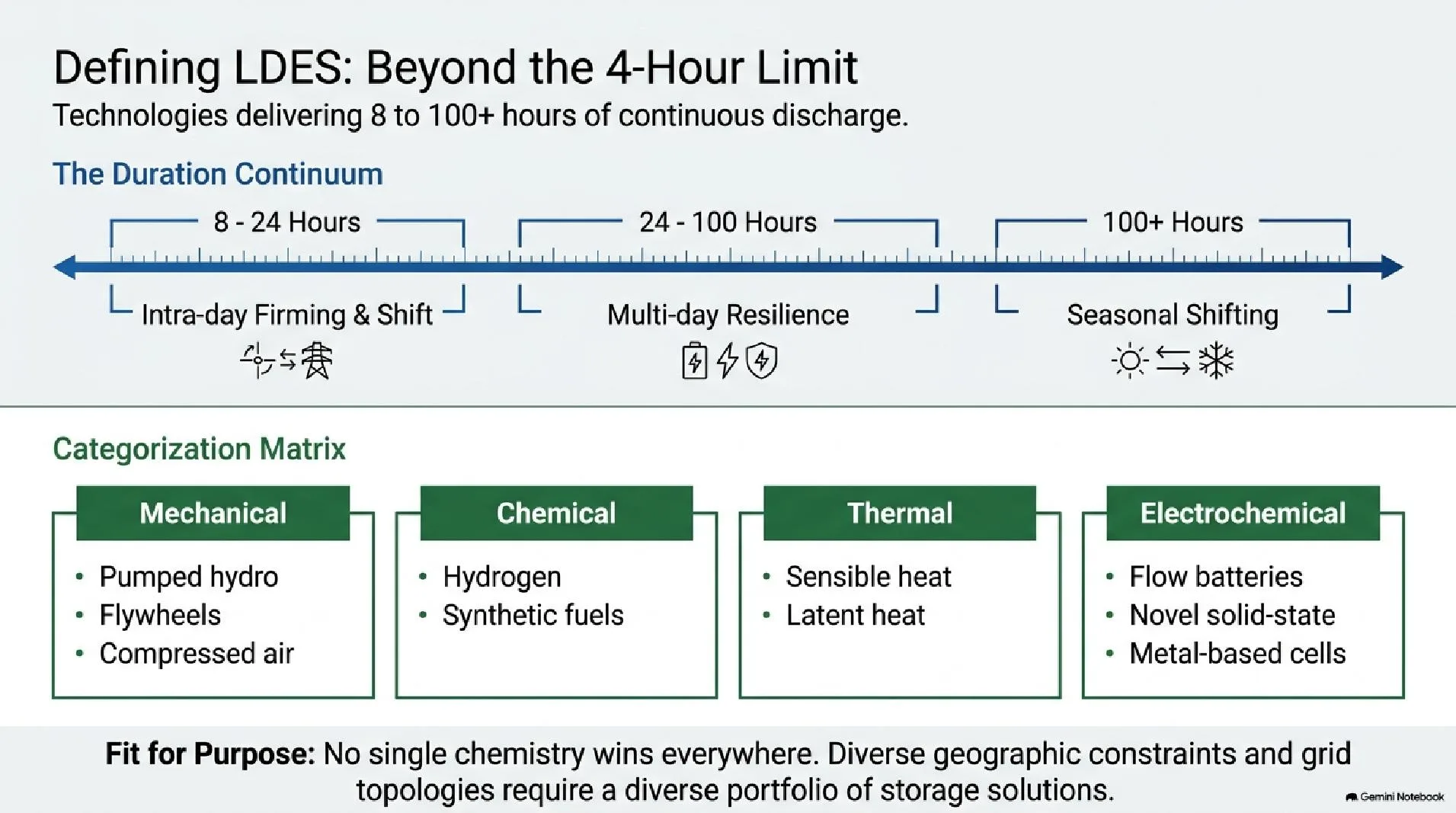
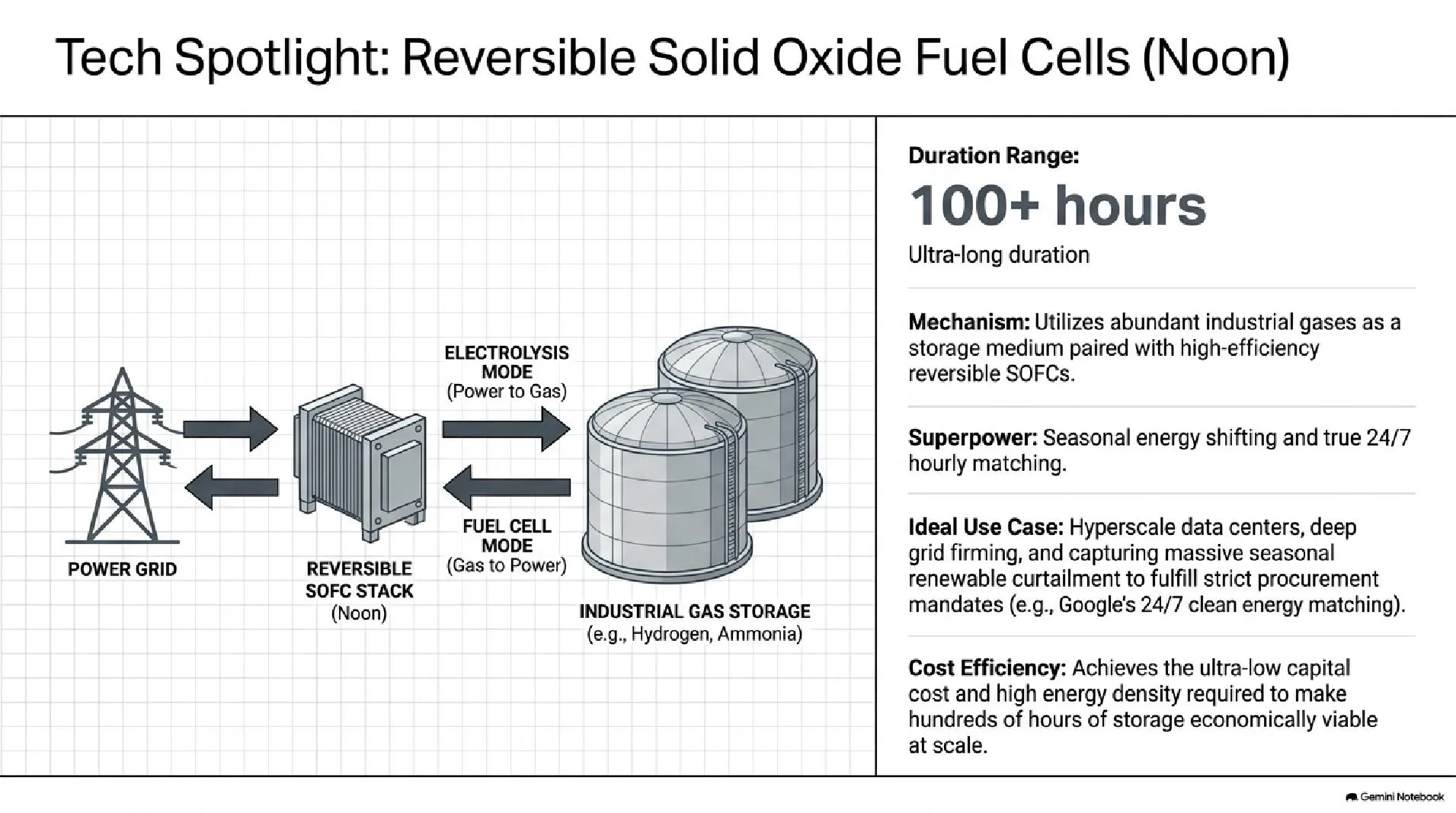
Standard home batteries deliver four to six hours of backup — enough for most outages, not enough for a week of winter storms. Long-duration energy storage (LDES) changes the math, delivering eight to over one hundred hours of continuous discharge. The technologies are real and shipping today. Most homeowners who read this are comparing standby generator installation options around Baton Rouge, LA, so what follows sticks to the details that change in practice.
Zinc and Vanadium Lead the Way
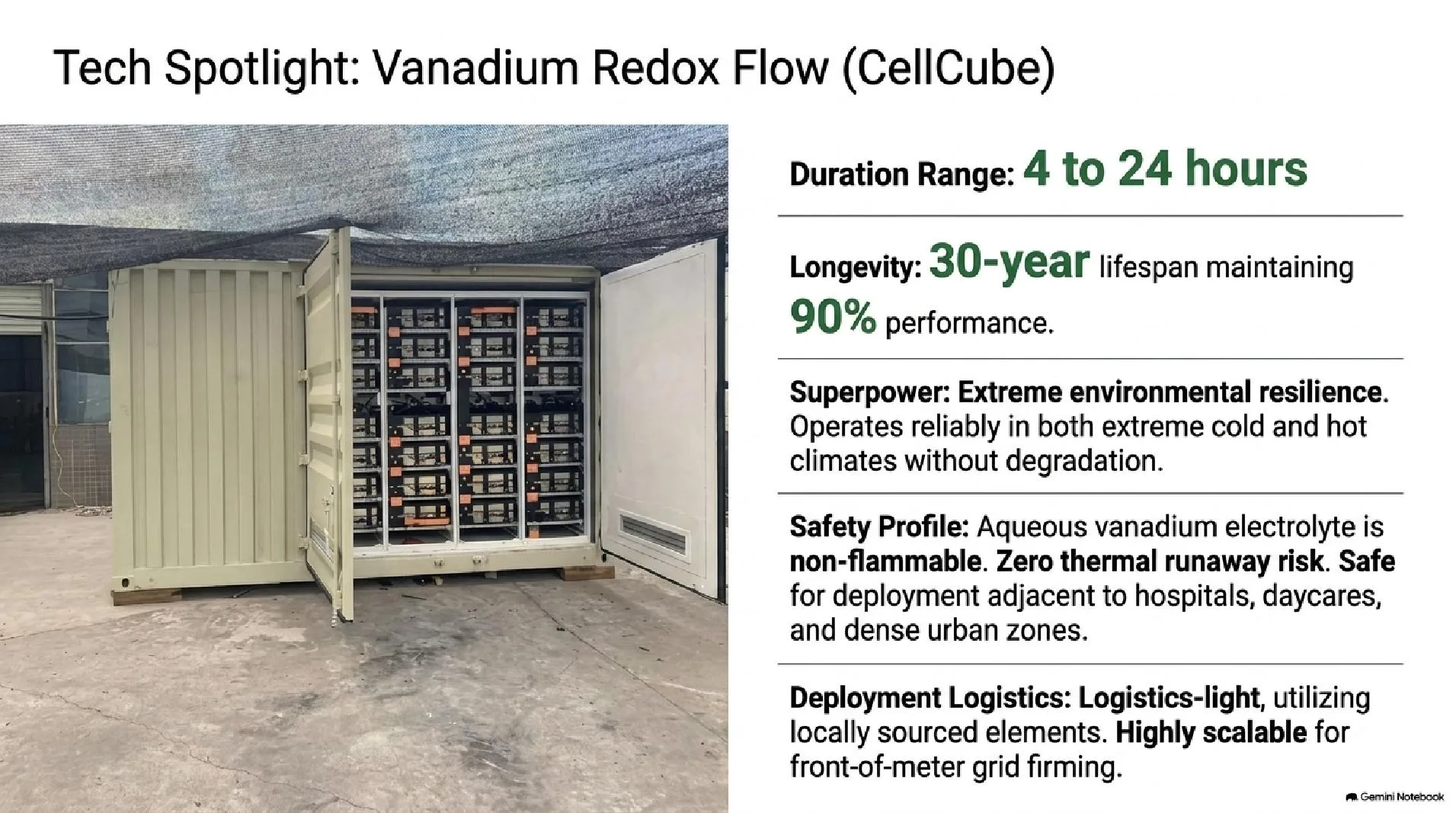
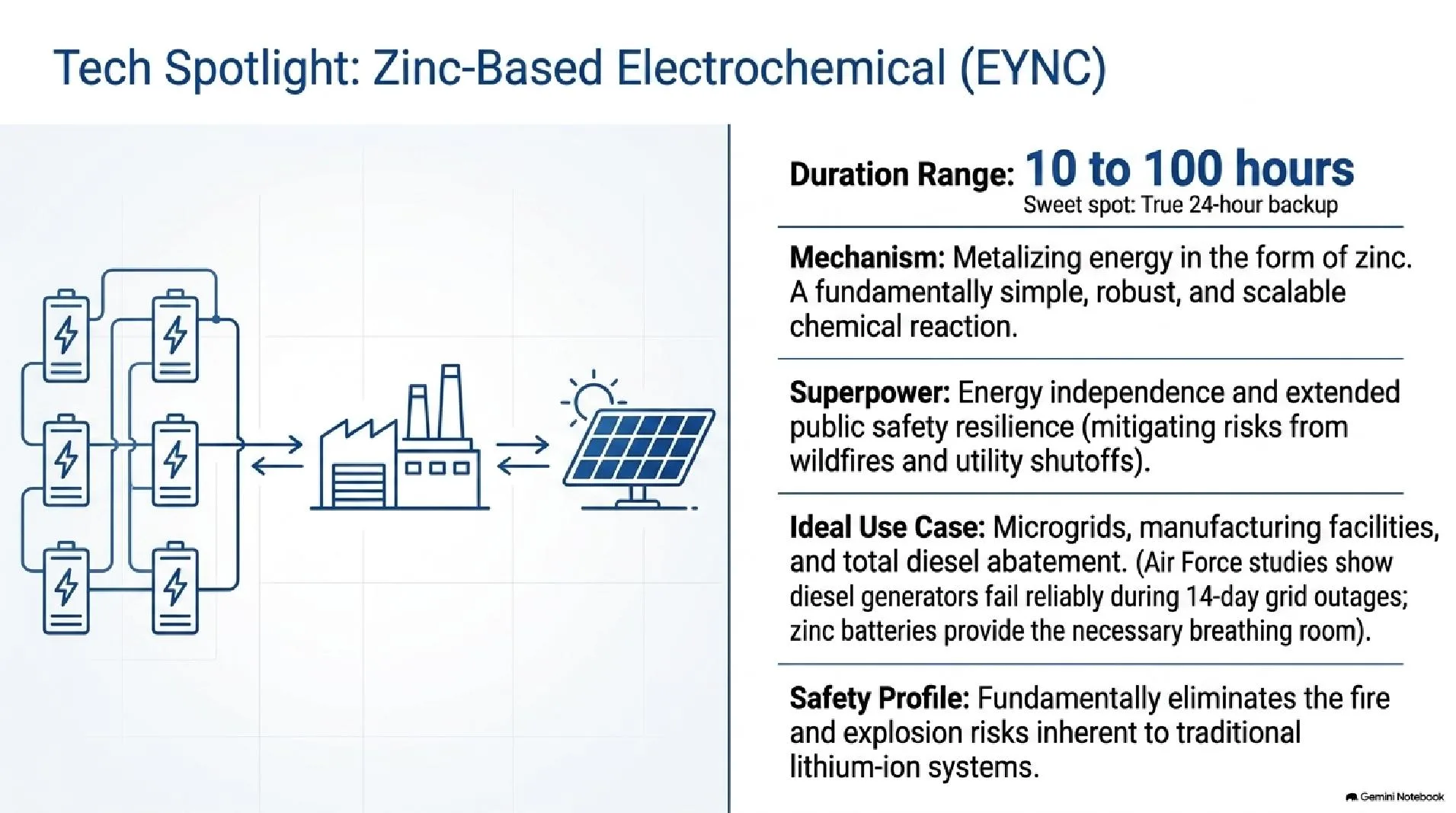
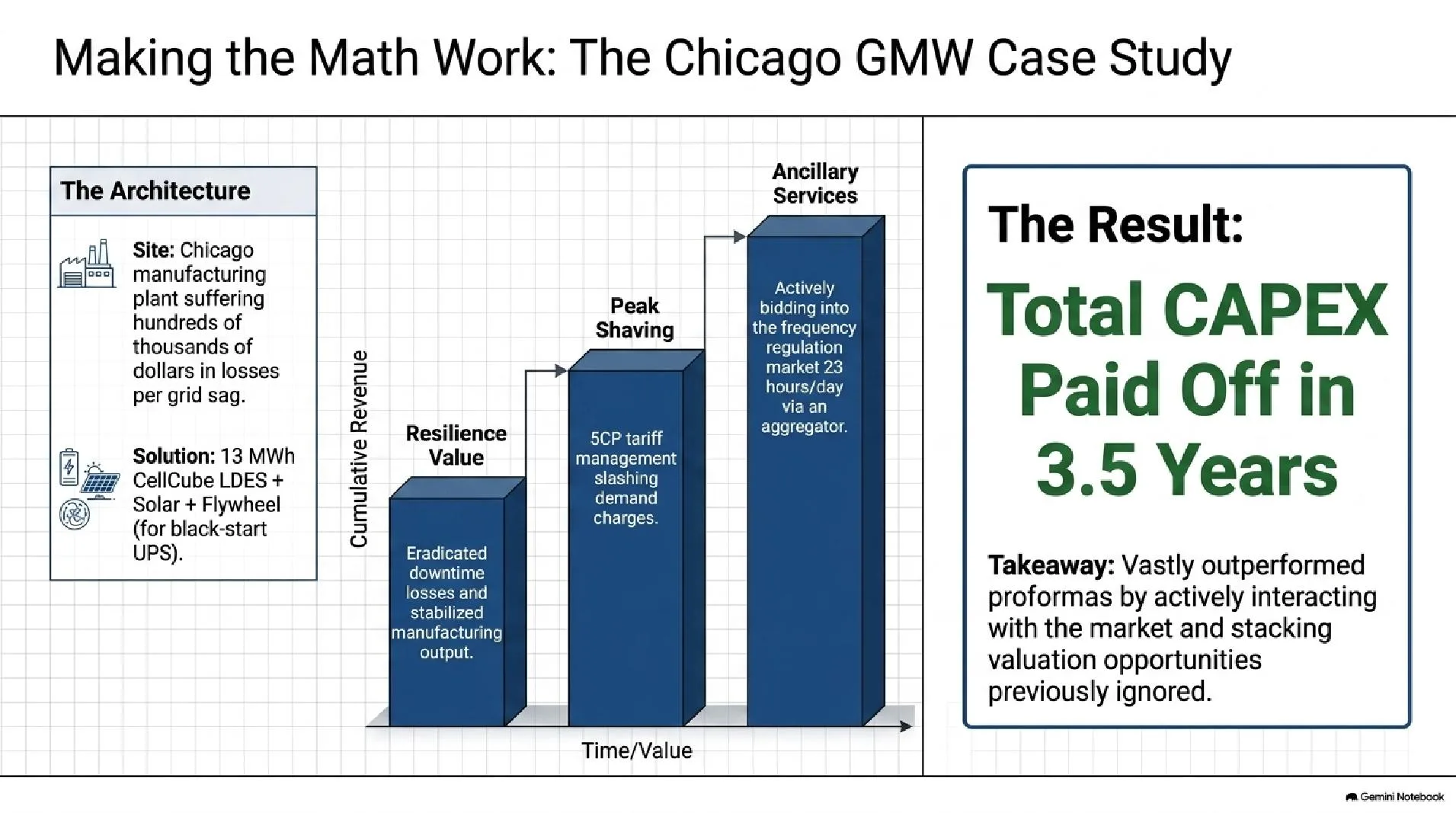
Zinc-based electrochemical storage (like EYNC's systems) covers the 10-to-100-hour range, with a sweet spot around true 24-hour backup — metalizing energy in the form of zinc in a fundamentally simple, robust architecture. Vanadium redox flow batteries (CellCube is the reference design) deliver 4-to-24-hour durations with a 30-year lifespan while maintaining 90% performance. Neither chemistry can catch fire the way lithium can — the electrolytes are inherently non-flammable — and both tolerate deep cycling without degradation.
The short version
- Standard home batteries deliver four to six hours of backup, enough for most outages but not for a week of winter storms, while long-duration energy storage delivers eight to over one hundred hours of continuous discharge.
- Zinc-based electrochemical storage covers the 10-to-100-hour range by metalizing energy as zinc, with a sweet spot around a true 24-hour backup in a fundamentally simple, robust architecture.
- Vanadium redox flow batteries, with CellCube as the reference design, deliver 4-to-24-hour durations with a 30-year lifespan while maintaining 90% performance.
- Neither zinc nor vanadium flow chemistry can catch fire the way lithium can because their electrolytes are inherently non-flammable, and both tolerate deep cycling without degradation.
- The practical residential upgrade path is a flow or zinc system paired with a lithium daily-cycle battery, so lithium handles everyday solar shifting while the long-duration unit covers multi-day grid failures. That pairing is clean firm power at residential scale.
For a home or small business, the practical upgrade path is a flow or zinc system paired with a lithium daily-cycle battery: the lithium handles everyday solar shifting, the long-duration unit covers multi-day grid failures. That pairing is what "clean firm power" means at the residential scale.